Exclusive Access to the 2026 Planter Collection


24K subscribers
Get first-hand updates on our latest patented designs, bulk pricing offers, and global gardening trend reports.

What the reservoir, wick and level indicator do, how long a fill lasts, and the mistakes that make self-watering pots perform worse than a normal pot.
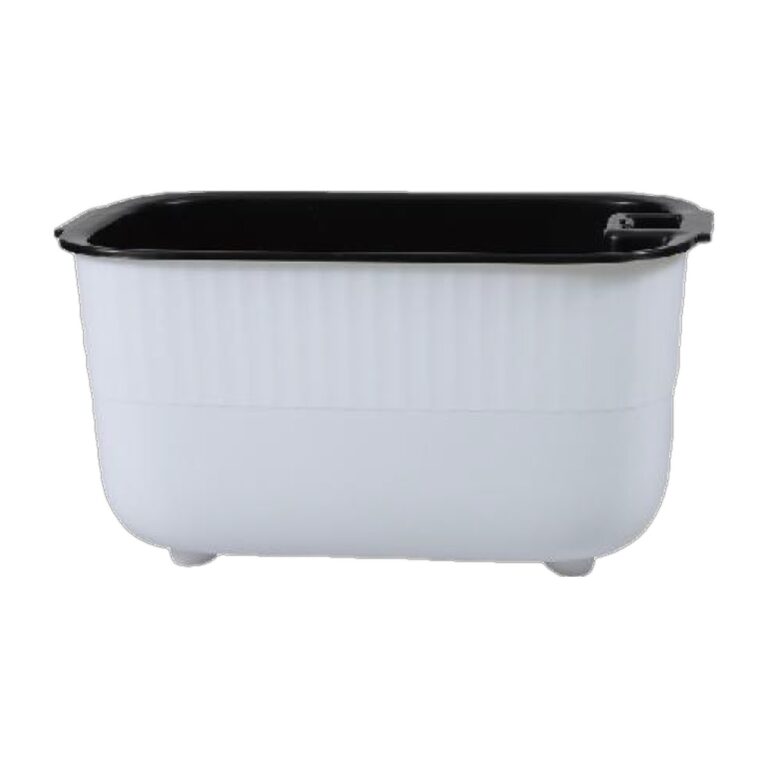
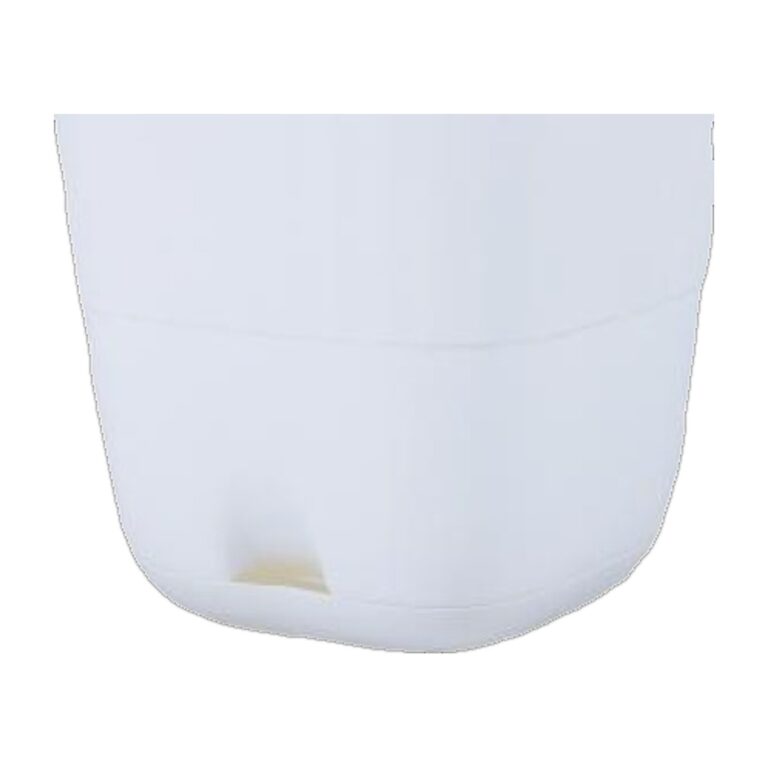
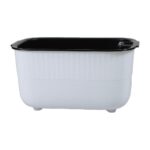
A self-watering planter is not a pot with a hole plugged. It has three working parts: a water reservoir at the bottom, a platform that separates soil from water, and a wick or capillary column that draws moisture upward into the growing medium.
In normal indoor conditions a full reservoir keeps a medium-sized plant watered for one to two weeks. In summer, or in bright south-facing rooms, expect closer to one week. The indicator float drops as the reservoir empties — refill when it reaches the minimum mark, not on a fixed weekly schedule.
Most problems come from the growing medium. Self-watering pots need a free-draining mix with coarse perlite or bark; dense, peat-heavy compost stays saturated and starves the roots of oxygen. The second common mistake is planting directly into the reservoir-style base without a wick in an oversized pot, which leaves the upper root zone dry while the bottom stays wet.
Cacti, succulents and most orchids prefer to dry out completely between waterings and do better in a standard pot with drainage. The same applies to Mediterranean herbs such as rosemary and lavender.
Our self-watering range covers pots with visible water-level windows, removable inner baskets and trough formats for vegetable growing. For balcony food crops, the raised vegetable beds use the same principle with a much larger reservoir.